

Hardwood Floor Installation Denver requires meticulous preparation, including subfloor repair, species selection tailored to local climate, acclimation for warping prevention, cost estimation, precise measurements accounting for room shapes and wood expansion, and traffic management. Key steps include choosing between nailing, gluing, or floating installation methods, followed by sealing with urethane and protective maintenance like using stair runners, regular cleaning, and prompt damage repair to ensure durability and aesthetics.
In the dynamic landscape of home improvement, crafting a stunning hardwood floor installation Denver stands out as a worthy endeavor for DIY enthusiasts and property owners alike. The transformative power of a well-laid wooden floor is undeniable, enhancing both aesthetic appeal and property value. However, navigating the complexities of hardwood floor installation can be daunting. This article emerges as your authoritative guide, unraveling the intricacies and offering straightforward, easy-to-follow tips tailored for successful DIY hardwood floor installation Denver projects. Get ready to embark on a journey that promises to transform your space while empowering you with expert knowledge.
- Understanding Hardwood Floor Installation Basics in Denver
- Prepare Your Space for a Smooth Installation Process
- Choosing the Right Hardwood Species for Your Home
- Measuring and Cutting Flooring to Perfect Fit
- Installation Methods: Nail, Glue, or Floating Options Explained
- Final Touches and Maintenance Tips for New Hardwood Floors
Understanding Hardwood Floor Installation Basics in Denver

Hardwood Floor Installation Denver requires a solid understanding of the basics to ensure a successful and long-lasting result. Before diving into the process, it’s crucial to familiarize yourself with the fundamental steps involved in hardwood floor installation. This knowledge equips you to make informed decisions when tackling your flooring project in Denver or seeking professional assistance for services like flooring Denver or refinish hardwood floors Denver.
The first step in any flooring project is preparing the subfloor. In Denver, where variations in elevation and weather conditions exist, ensuring a level subfloor is paramount. This involves meticulous inspection and potential repairs to create a stable foundation for your hardwood floors. Proper subfloor preparation significantly impacts the final smoothness and durability of your flooring. For instance, gaps or uneven surfaces can lead to warping or cupping over time, especially with hardwood’s natural expansion and contraction.
Next, laying out the floor involves carefully planning the arrangement of boards and selecting the appropriate type of hardwood suitable for Denver’s climate and lifestyle. Hardwood species like oak, maple, or walnut offer aesthetic appeal and durability but may require specific care to withstand the region’s humidity levels. Proper acclimation is essential; new flooring should be stored in the room it will be installed for several days before beginning work to allow it to adjust to its surroundings. This step prevents warping due to sudden changes in temperature and moisture content, which are common challenges in Denver’s climate.
Prepare Your Space for a Smooth Installation Process

Before you begin your hardwood floor installation project in Denver, preparing your space is a crucial step that can significantly impact the overall installation process. This involves more than just clearing the room; it requires careful consideration of various factors to ensure a smooth and successful DIY installation. One of the first tasks is to accurately estimate the hardwood floor installation cost near me, which can vary based on the size of your space, type of flooring, and complexity of layout. Local references for hardwood floor installers in Denver are invaluable at this stage, providing insights into average costs and potential challenges unique to your area.
Measuring your room precisely is essential to getting an accurate estimate. Take multiple measurements from different angles, accounting for any peculiarities like odd shapes or staircases. In Denver, where weather conditions can affect wood expansion, consider the potential for seasonal variations in floor leveling. Ensure your subfloor is prepared properly, as any issues here could lead to costly delays or complications later on. For example, a local hardwood flooring expert might recommend addressing moisture problems or securing loose subfloor boards before installing new floors.
Another critical aspect of preparation is deciding how you’ll manage traffic during the installation process. Use stair runners Denver temporarily to protect high-traffic areas like staircases and doorways from dirt and debris kicked up during construction. This simple step can make a significant difference in keeping your space functional and minimizing cleanup efforts. Remember, proper planning and preparation not only ensure a seamless hardwood floor installation but also contribute to the longevity of your new flooring.
Choosing the Right Hardwood Species for Your Home
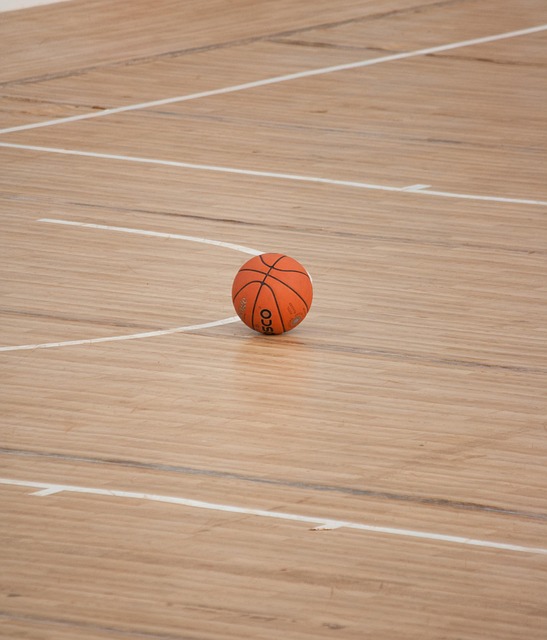
Choosing the right hardwood species is a crucial step in any hardwood floor installation Denver project, as it greatly impacts the final aesthetic and durability of your flooring. The vast array of options can be overwhelming, but understanding the characteristics of different hardwoods will help you make an informed decision tailored to your home’s needs. For instance, domestic species like oak and maple are popular choices for their strength and versatility, suiting both contemporary and traditional interior styles. These native woods also offer excellent value in terms of cost per square foot Denver, making them accessible for various budgets.
On the other hand, exotic hardwoods from around the globe add a unique touch and distinct beauty to your floors. Species such as walnut, cherry, and mahogany are known for their rich colors, intricate grain patterns, and higher density, which contributes to longevity. However, these exotic options tend to be more expensive, reflecting their rarity and increased harvesting costs, like those seen in Wall Tiles Denver markets. It’s essential to balance your aesthetic preferences with practical considerations, including the foot traffic in each room and your home’s overall climate.
When assessing old hardwood flooring in Denver homes, consider the species’ ability to withstand wear and tear over time. Some woods, like oak, are naturally more durable and can be sanded and refinished multiple times, extending their lifespan. Conversely, softer woods may show signs of aging faster. Professional installers in Denver can provide valuable insights based on their experience with local conditions and climate-related challenges. By carefully evaluating your options and consulting experts, you’ll ensure that your new hardwood floor installation Denver is not only aesthetically pleasing but also built to last for years to come.
Measuring and Cutting Flooring to Perfect Fit
Achieving a perfect fit during hardwood floor installation is crucial for a professional finish in any Denver home. Measuring and cutting flooring to size requires precision and adherence to best practices. Begin by removing existing flooring or preparing the subfloor, ensuring it’s level and clear of debris. Take accurate measurements of the room, accounting for all corners, irregular shapes, and door jambs. This data is vital when selecting your hardwood floor materials, especially if you’re opting for affordable hardwood floor installation services Denver.
Laminate flooring can also be a cost-effective choice for DIY installations, offering a wide range of styles at competitive prices. Once measurements are confirmed, cut the flooring to size using a circular saw or hand saw with a sharp blade. Cut pieces should fit snugly against each other without significant gaps. Consider leaving a small margin for error and adjustments. A precise fit prevents uneven gaps that can gather dirt and debris, ensuring a cleaner, more aesthetically pleasing result. Regular practice and adherence to these cutting techniques will ensure your hardwood floor installation Denver project is a success.
Installation Methods: Nail, Glue, or Floating Options Explained

When it comes to installing hardwood floors in Denver, understanding different installation methods is crucial for a successful and long-lasting result. The three primary approaches—nailing, gluing, and floating—each have their unique advantages and considerations. Experienced hardwood floor installers near me often recommend one based on factors like subfloor condition, room size, and personal preference.
For example, nailing is a traditional method where planks are secured to the subfloor using nails. This technique is particularly suitable for new construction or when replacing existing flooring. It offers excellent stability and strength, ensuring floors remain sturdy over time. In Denver’s competitive real estate market, where homeowners often seek to enhance their properties quickly, nail-down installation has gained popularity due to its ease of refinishing and ability to accommodate future floor lifts.
On the other hand, gluing involves bonding hardwood planks directly to the subfloor using a powerful adhesive. This method is ideal for repairing or installing over existing hard surfaces like tile or concrete, as it provides a seamless finish. In 2023, Denver’s hardwood floor installation trends have shown a growing interest in this approach due to its quick installation time and reduced noise levels. However, gluing may not be suitable for larger rooms or areas with heavy foot traffic, as the adhesive might not withstand prolonged stress.
The floating method is another popular choice, especially for those looking for a more flexible installation. Here, planks are locked together using locking strips and installed above the subfloor with no direct attachment. This technique is advantageous when dealing with uneven subs or wanting to avoid damaging the existing floor below. It’s also an excellent option for renters or temporary installations, as it allows for easy removal and reinstallation without leaving marks on the subfloor. Carpet Denver has seen a rise in inquiries for this method, particularly in urban settings where space is at a premium.
Final Touches and Maintenance Tips for New Hardwood Floors

Upon completing your hardwood floor installation Denver project, the final touches and ongoing maintenance are crucial to preserving the beauty and longevity of your new floors. This involves several key steps, from sealing and polishing to regular cleaning and repair. First, apply a high-quality finish, such as a urethane or oil-based polyurethan, to protect the hardwood from stains and damage. Allow ample time for drying, following manufacturer instructions, to ensure optimal results. Consider using stair runners Denver to safeguard the risers and treads, especially in high-traffic areas, mitigating wear and tear over time.
Regular cleaning is paramount, utilizing a vacuum or broom designed for hard floors to remove dust and debris. Avoid harsh chemicals or excessive moisture, as they can damage the finish. For more stubborn stains, opt for mild, floor-specific cleaners recommended by professionals. Laminate flooring installation Denver or tile flooring Denver, while offering different maintenance requirements, should also be approached with care. Regularly inspect your floors for loose planks, gaps, or signs of water damage, promptly addressing any issues to prevent decay.
As hardwood ages, it may require refinishing or repair. Look for scuffs, scratches, or damaged areas and address them promptly using a suitable repair kit. For extensive damage or uneven wear patterns, professional assistance might be necessary. Maintaining your hardwood floors involves a balance of protection, cleaning, and proactive care. By following these guidelines and seeking expert advice when needed, you’ll ensure your new flooring in Denver remains a stunning addition to your home for years to come.
Hardwood floor installation in Denver is a rewarding DIY project that can dramatically enhance your home’s aesthetics and value. By understanding the basics, preparing your space, selecting the right hardwood species, measuring and cutting flooring accurately, choosing between nail, glue, or floating installation methods, and learning final touches and maintenance tips, you’re well-equipped to achieve professional results. This article has provided comprehensive insights into each step of the process, ensuring Denver residents can confidently embark on their hardwood floor installation journey, creating a stunning symphony of natural beauty in their homes.